What Actually Moved the Needle
A few weeks ago, things changed quickly.
Oil surged. Markets pulled back. Uncertainty picked up.
But here’s the more important question:
How much of that actually mattered?
Let’s zoom out.
Not All Change Is Impact
The first quarter gave us a useful reminder:
Markets react to change.
They don’t always care about it for very long.
Early 2025: tariffs drove volatility.
Early 2026: geopolitical conflict did the same.
Different causes. Same pattern.
The S&P 500 pulled back about 4.3% for the quarter. The Nasdaq fell closer to 7%.
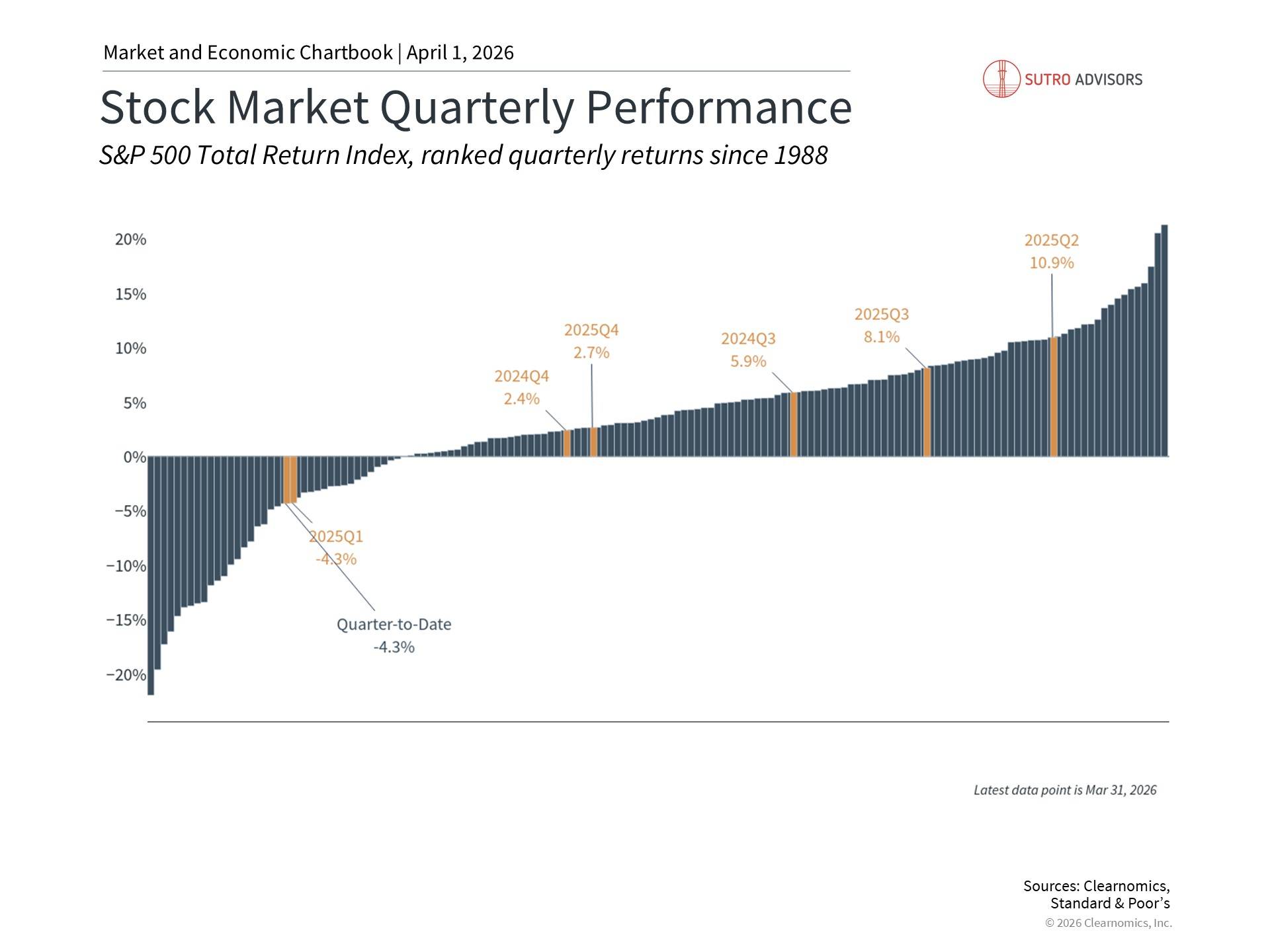
That’s the reaction.
But reaction isn’t the same as long-term impact.
Oil Moved. The System Didn’t Break.
Oil prices spiked — sharply.
Brent approached $118. WTI moved above $100.
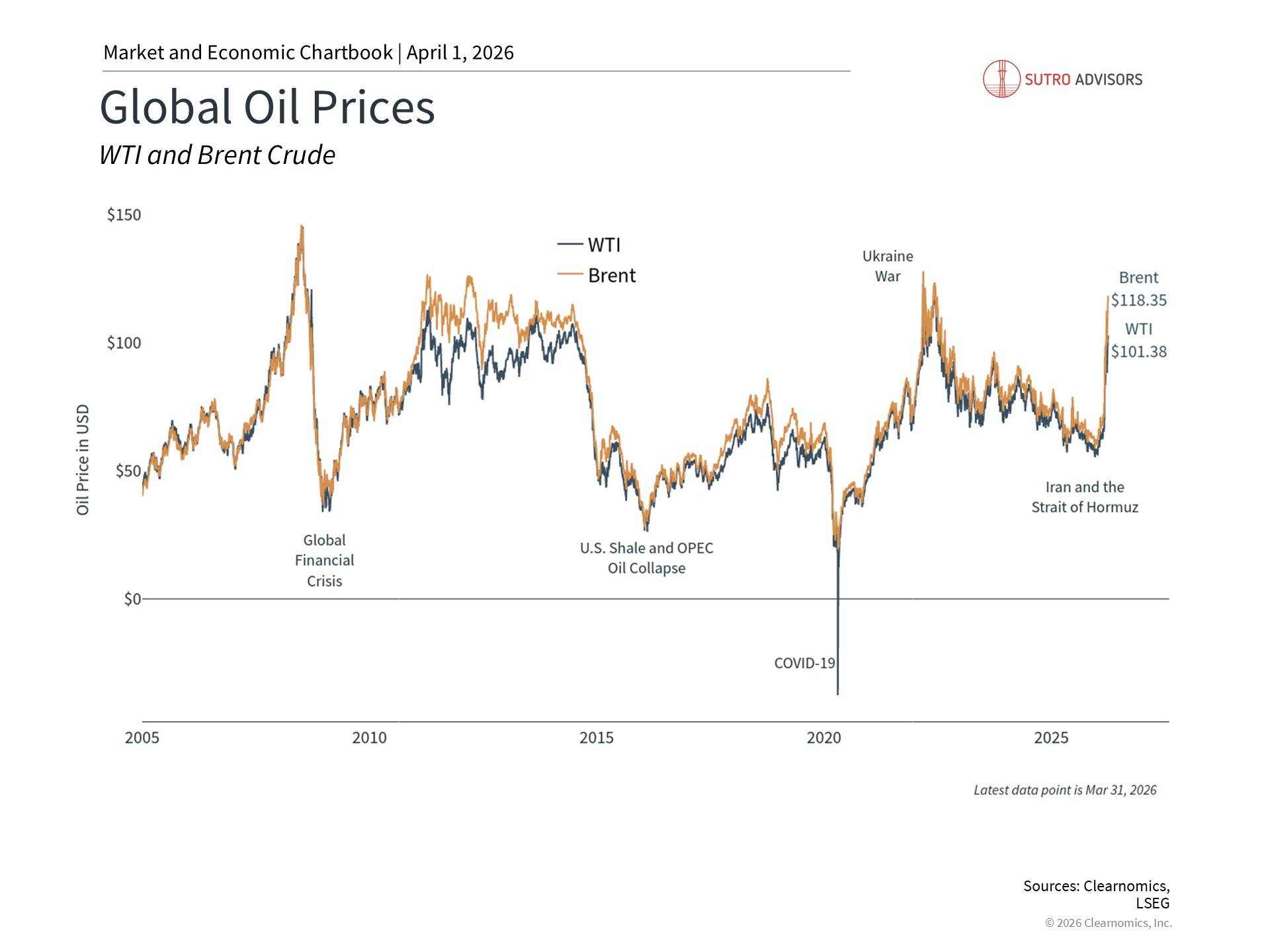
That’s meaningful.
But zoom out:
We’ve seen oil spikes before.
We’ve seen supply shocks before.
What matters isn’t that oil moved.
It’s whether the broader system absorbs it.
So far, it has.
The Economy: Cooling, Not Cracking
Underneath the surface, the data tells a quieter story.
- Inflation is moderating
- The labor market is softening, but still stable
- Consumer spending continues to hold up
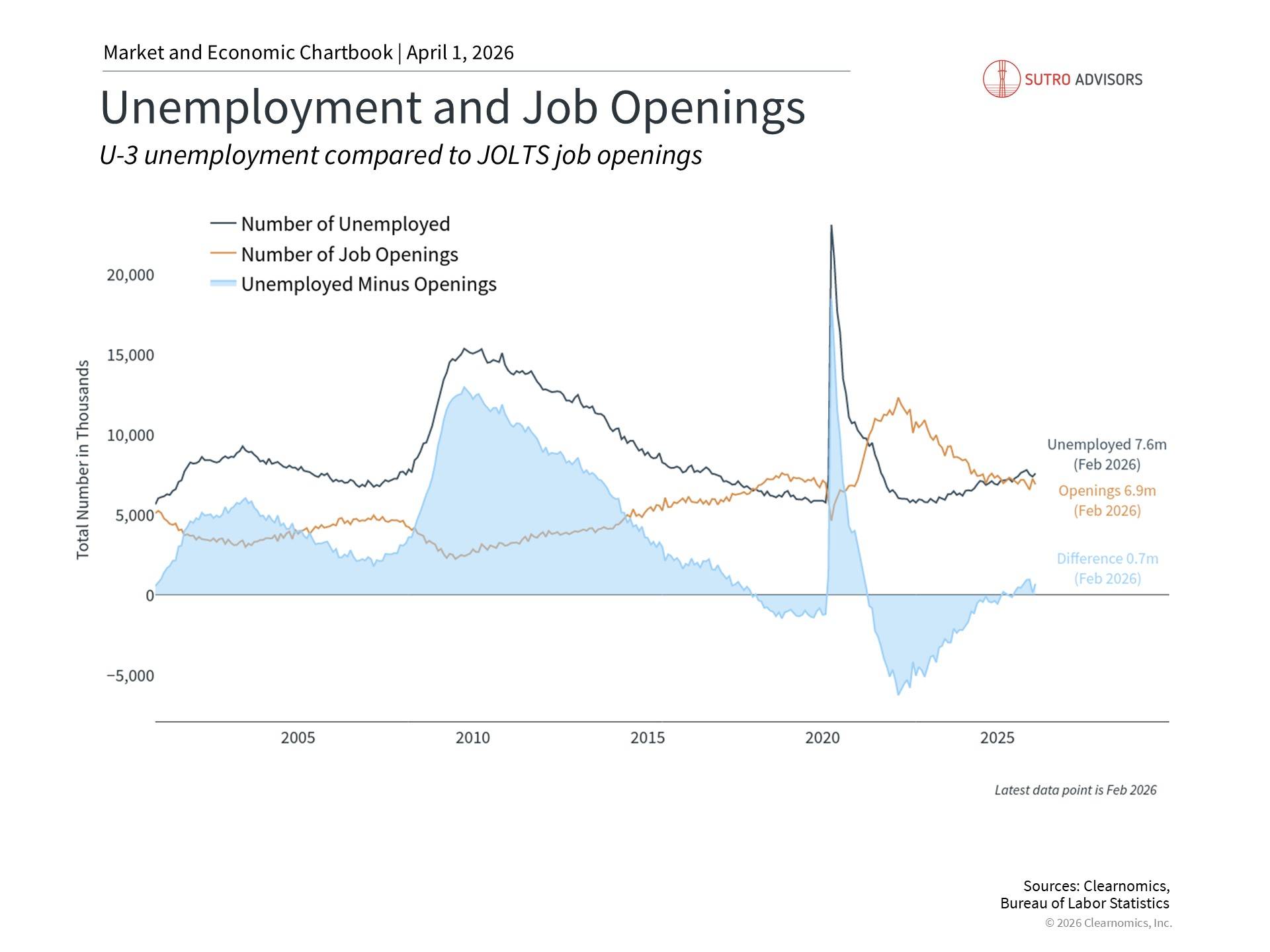
That’s not a system under stress.
That’s a system adjusting.
Markets don’t need perfect conditions.
They need conditions that continue to function.
What Changed — And What Didn’t
Inside the market, leadership shifted.
Energy surged. Defensive sectors held up.
Technology paused after a strong run.
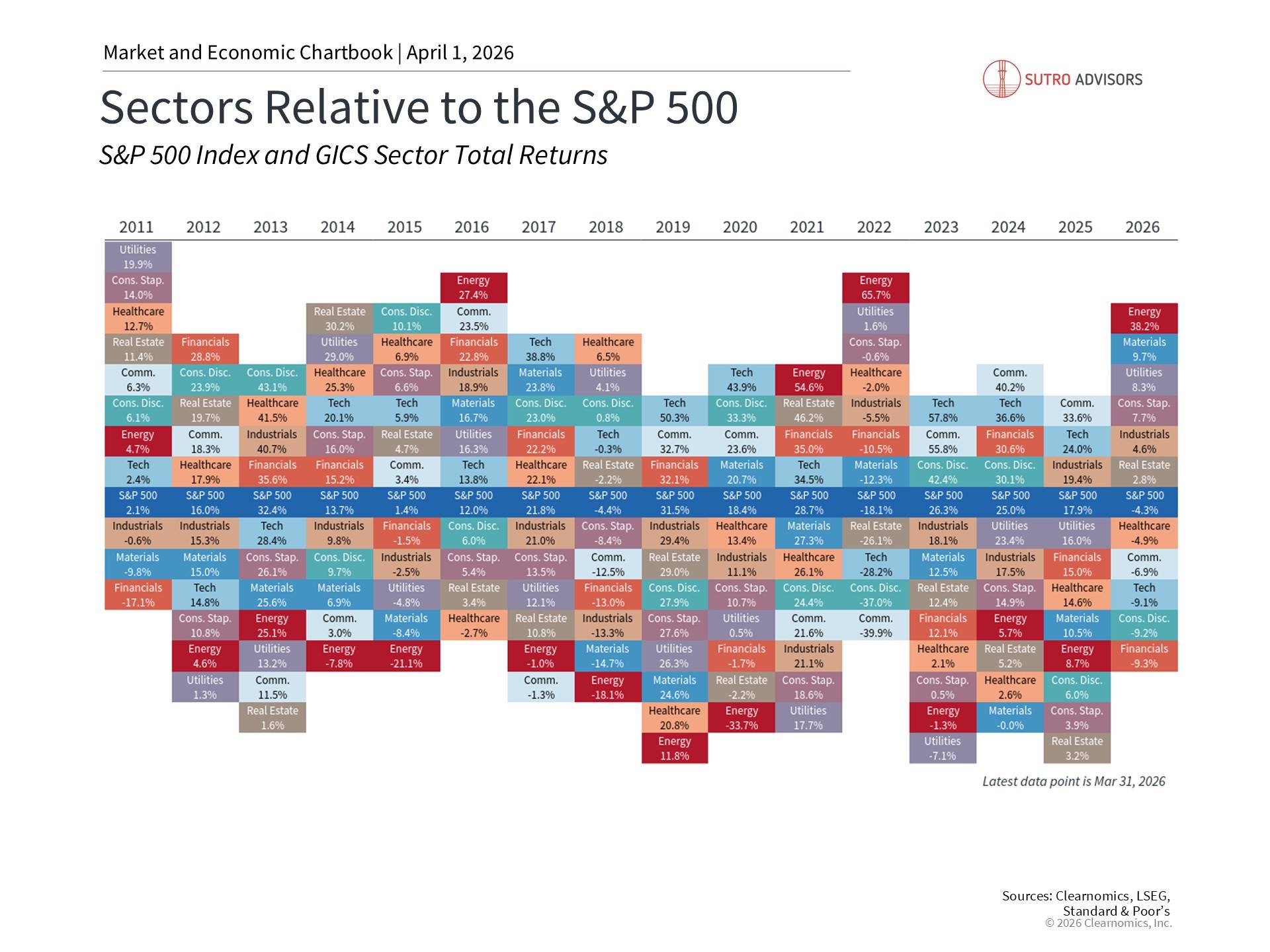
That feels like change.
But it’s actually continuity.
Because this is what markets do:
They rotate. They rebalance. They adapt.
A different leaderboard doesn’t mean a broken game.
A Quick Story About Overreaction
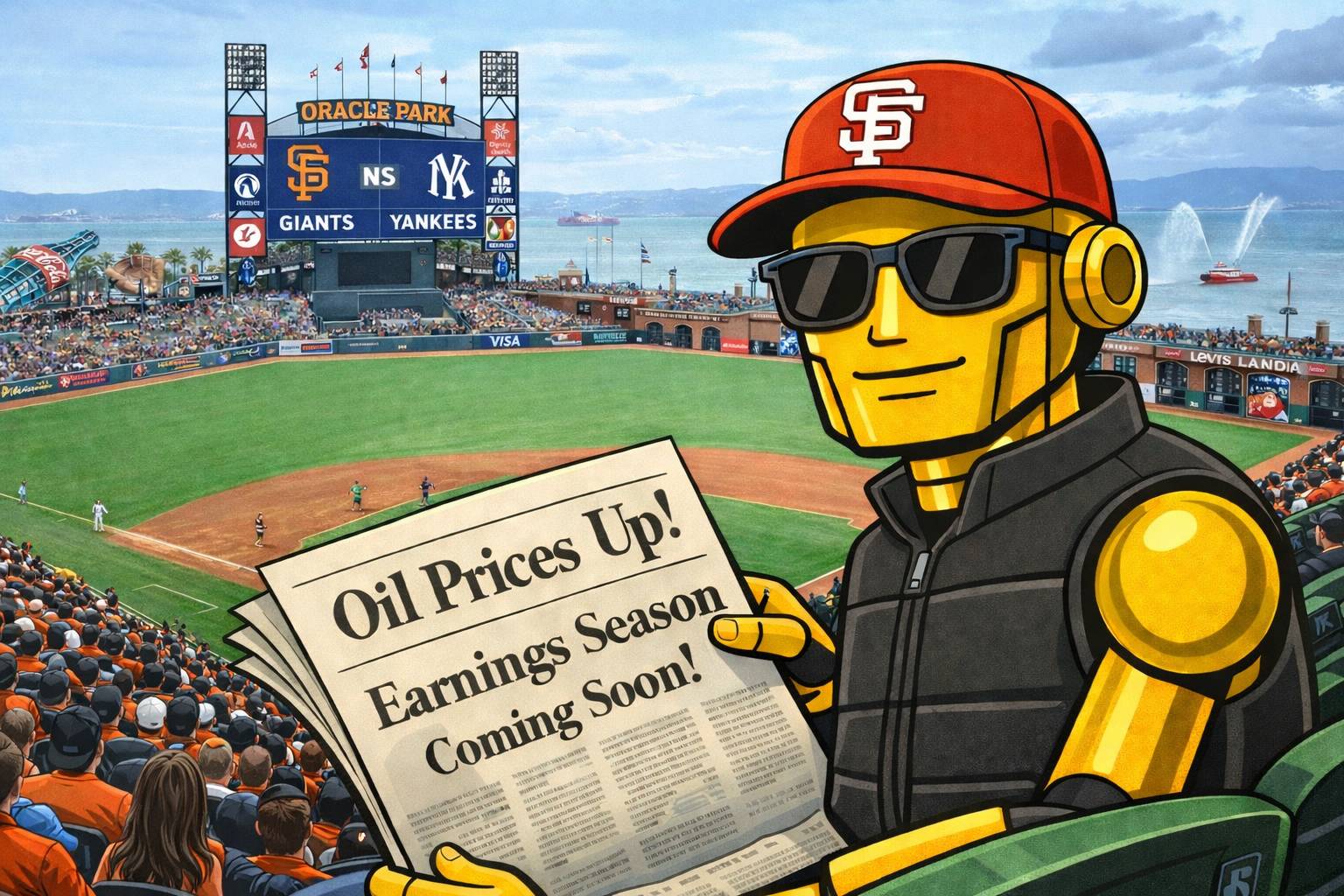
This time of year always reminds me of baseball season getting underway.
My beloved Giants opened the season and promptly lost their first three games to the Yankees, getting outscored 13–1.
If you listened to sports radio or scrolled social media, you would’ve thought the season was over.
But inside the organization?
No panic.
Just perspective.
It’s a 162-game season.
Fast forward a few days, and the Giants are 3–1 in their last four, including a series win in San Diego against a team expected to contend.
Same team. Same players.
Just a different stretch of games.
That’s the gap.
The outside world reacts to what just happened.
The people closest to the process focus on what actually matters over time.
Investing works the same way.
The Scoreboard Still Matters
And in markets, there is a scoreboard.
It’s not oil.
It’s not headlines.
It’s not even short-term price moves.
It’s earnings.
As we head into Q1 earnings season, expectations are for S&P 500 earnings to grow in the high single digits year-over-year, with revenue growth also remaining solid.
Historically, about 70–75% of companies beat earnings estimates in a given quarter.
Not because analysts are always wrong.
But because businesses tend to keep growing.
That’s the part that matters.
Yes, higher oil prices may pressure margins in some sectors.
Yes, leadership may continue to rotate.
But zoom out:
Earnings growth - not headlines - is what ultimately drives market returns.
The Trap Isn’t Volatility
A 4% pullback feels like something changed.
And it did - in the short term.
But not all changes carry the same weight.
The real mistake is assuming every move requires a response.
Because often, the biggest changes in outcome come from not reacting to smaller changes along the way.
Meanwhile, Policy Keeps Moving
Tariffs. Legal rulings. New investigations.
All of it matters.
None of it is new.
Markets have adapted to shifting policy environments before.
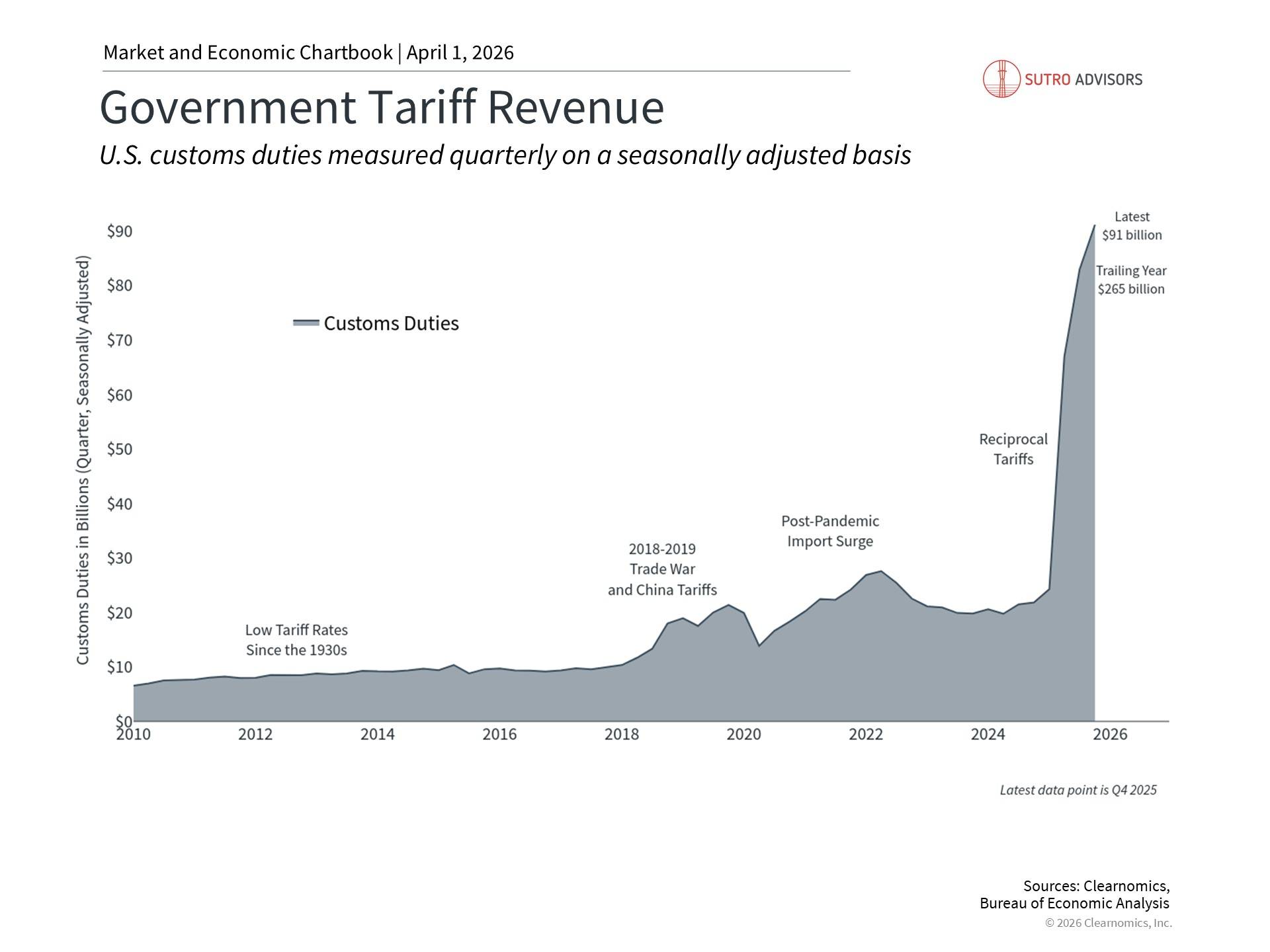
And they tend to do it again.
So What Actually Moved the Needle?
Not every change.
Not every headline.
Not every price move.
What mattered was simpler:
- The economy remained intact
- Markets adjusted without breaking
- Earnings continue to grow — even if unevenly
- Portfolios continued to do their job
That’s where outcomes are determined.
Bottom Line
The first quarter delivered volatility, uncertainty and plenty of change.
But not all change is equal.
Some of it is noise.
Some of it is adjustment.
And some of it actually matters.
And over time, the things that matter most tend to be the same ones that always have:
Earnings. Growth. Productivity. Innovation.
The challenge isn’t avoiding change.
It’s knowing which kind you’re looking at.
Because long-term results are driven less by reacting to every shift…
…and more by staying aligned with what truly moves the needle.
I may sound like a broken record here - but while headlines set the tone, earnings determine the outcome.
Until next time, take good care!